
As the seasons change in Bridgewater, New Jersey, your locks and security systems face different challenges that can affect their performance and longevity. From the freezing temperatures of winter to the humid summers, each season brings unique conditions that can compromise your home or business security if proper maintenance isn't performed. At Somerset County Locksmith Corp, we've seen countless lock failures that could have been prevented with simple seasonal maintenance. Whether you're a homeowner in Bridgewater or manage a commercial property, understanding how to care for your locks throughout the year is essential for maintaining optimal security and avoiding costly emergency lockout situations.
Why Seasonal Lock Maintenance Matters
Many property owners in Somerset County overlook the importance of regular lock maintenance until they're faced with a malfunctioning lock or a complete lockout. Locks are mechanical devices exposed to the elements, temperature fluctuations, and constant use, making them susceptible to wear and deterioration over time. Seasonal changes can accelerate this wear, causing locks to stick, freeze, corrode, or fail entirely. Regular maintenance not only extends the lifespan of your locks but also ensures they function smoothly when you need them most. By implementing a seasonal maintenance routine, you'll prevent inconvenient lockouts, enhance your property's security, and save money on emergency locksmith services.
Spring Maintenance: Preparing for Warmer Weather
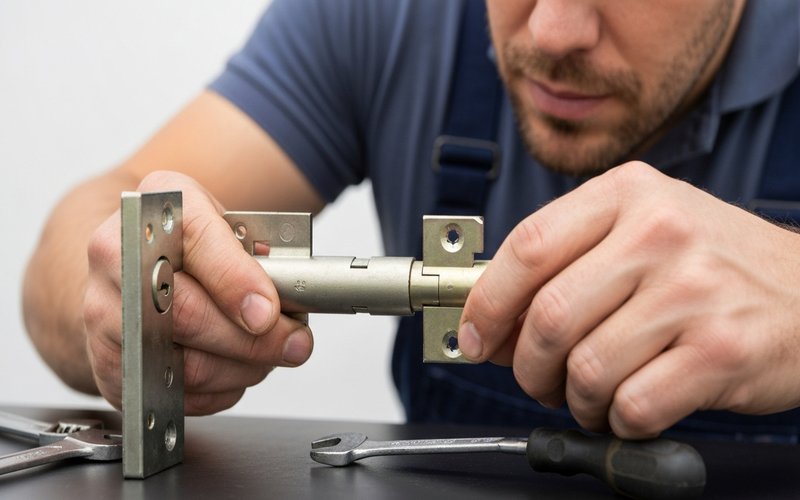
Spring is the perfect time to assess any damage caused by harsh winter conditions and prepare your locks for the warmer months ahead. Begin by thoroughly inspecting all exterior locks on your property, looking for signs of rust, corrosion, or moisture damage. The freeze-thaw cycles of winter can create small cracks and crevices where moisture accumulates, leading to rust formation.
Here are essential spring maintenance tasks:
- Clean all locks thoroughly: Remove dirt, debris, and old lubricant that may have accumulated over winter
- Check for rust and corrosion: Pay special attention to exterior locks and address any oxidation immediately
- Test all keys: Ensure your keys aren't worn down or damaged from winter use
- Lubricate locks properly: Use a graphite-based or silicone spray lubricant specifically designed for locks
- Inspect weatherstripping: Replace worn seals around doors to prevent moisture intrusion
- Examine strike plates and hinges: Tighten any loose screws and ensure proper alignment
Summer Maintenance: Combating Heat and Humidity
Summer in Bridgewater brings high humidity levels that can wreak havoc on your locks. Moisture in the air can cause metal components to expand, making locks sticky or difficult to operate. Additionally, increased use during the summer months when families are more active can accelerate wear.
Focus on these summer maintenance priorities:
- Monitor humidity effects: Check locks regularly for stiffness or resistance when turning keys
- Clean and lubricate more frequently: Humidity can wash away lubricants, requiring more frequent application
- Inspect outdoor locks: Padlocks on sheds, gates, and garages are especially vulnerable to moisture damage
- Test smart lock batteries: Higher temperatures can affect battery performance in electronic locks
- Check door alignment: Heat can cause doors to expand, potentially misaligning locks and strike plates
- Protect locks from direct sunlight: Consider installing awnings or covers for locks exposed to prolonged sun exposure
Autumn Maintenance: Preparing for Winter
Autumn is perhaps the most critical season for lock maintenance in New Jersey. Proper preparation now will prevent freezing, sticking, and breaking during the harsh winter months. This is the time to be proactive rather than reactive.
Implement these autumn maintenance steps:
- Deep clean all exterior locks: Remove any debris, leaves, or dirt that could trap moisture
- Apply winter-grade lubricant: Use lubricants specifically designed to remain effective in cold temperatures
- Check door and window locks: Ensure all entry points are secure before winter
- Inspect garage door locks: These are often overlooked but essential for security and protection
- Test locks in cold conditions: On cooler autumn days, test locks to identify potential winter problems
- Replace worn keys: Don't risk a key breaking off in a frozen lock during winter
- Consider lock covers: Install protective covers on exterior padlocks and vulnerable locks
Winter Maintenance: Protecting Against Freezing Conditions
Winter presents the greatest challenge for locks in Bridgewater. Freezing temperatures can cause locks to freeze solid, making them impossible to operate without proper care. Additionally, the expansion and contraction of metal in fluctuating temperatures can damage internal lock mechanisms.
Follow these winter-specific maintenance tips:
- Never use water-based lubricants: These will freeze inside the lock, causing severe damage
- Keep locks dry: Wipe away snow and ice immediately after storms
- Use lock de-icer: Keep a lock de-icer spray handy for emergency situations
- Warm keys safely: If needed, warm your key with your hands before inserting it into a frozen lock
- Avoid forcing frozen locks: This can break keys or damage lock mechanisms
- Check vehicle locks regularly: Car locks are especially susceptible to freezing
- Maintain indoor humidity levels: For businesses, proper indoor humidity prevents condensation on locks
Year-Round Maintenance Best Practices
Beyond seasonal tasks, certain maintenance practices should be performed regularly throughout the year to ensure optimal lock performance and security.
Incorporate these habits into your routine:
- Lubricate locks every three months: Regular lubrication prevents internal wear and keeps mechanisms operating smoothly
- Keep locks clean: Wipe down locks monthly to prevent dirt accumulation
- Test all locks weekly: Regular testing helps you identify problems early
- Inspect keys for wear: Replace keys showing signs of wear before they break
- Maintain a spare key set: Store spare keys securely off-site
- Review who has access: Regularly audit who has keys to your property
- Document lock maintenance: Keep records of maintenance activities and professional services
When to Call a Professional Locksmith
Whilst regular DIY maintenance can prevent many problems, some situations require professional expertise. Contact a qualified locksmith if you notice any of these warning signs:
- Keys that stick or require excessive force to turn
- Locks that don't engage properly
- Visible rust or corrosion that you cannot remove
- Keys that have become worn or damaged
- Locks that have been exposed to extreme weather events
- Security concerns or potential tampering
- Difficulty locking or unlocking doors
- Unusual noises when operating locks
Conclusion: Protect Your Property Year-Round
Seasonal locksmith maintenance is an investment in your property's security and your peace of mind. By following these seasonal tips and maintaining a regular care schedule, you'll extend the life of your locks, prevent inconvenient lockouts, and ensure your Bridgewater property remains secure throughout the year. Remember that prevention is always more cost-effective than emergency repairs.
At Somerset County Locksmith Corp, serving Bridgewater and the surrounding Somerset County area from our location at 410 Commons Way, we're committed to helping you maintain optimal security year-round. Whether you need a professional inspection, emergency lockout assistance, or expert advice on upgrading your security systems, our experienced team is here to help. Don't wait until you're locked out in freezing temperatures or dealing with a malfunctioning lock during a summer storm. Contact us today to schedule your seasonal lock maintenance service and enjoy the confidence that comes with properly maintained security hardware. Your property's security is our priority, and we're here to serve you through every season.